Origin of the OAU: Haile Selassie I and the Founding Impulse
The EDIBLE FOREST — Organization of African Unity consciously claims continuity with the founding impulse that led to the creation of the Organization of African Unity in Addis Ababa on May 25, 1963.
Organization of African Unity through Conscientization
It claims neither the legal personality, organs, powers, nor administrative succession of the former OAU. It brings the demand for unity back to light and pursues, through conscientization, what remains unaccomplished in the transformation of the human animal.
The African Union succeeded the OAU institutionally. The EDIBLE FOREST — Organization of African Unity pursues its impulse through conscientization.
African unity carried by a collective initiative
On May 25, 1963, the Heads of State and Government of thirty-two independent African States signed in Addis Ababa the Charter establishing the Organization of African Unity. The foundation was collective. Haile Selassie I presided over the formation of the OAU and served as its first chairman.
Emperor of Ethiopia and host of the Addis Ababa summit, Haile Selassie I strongly carried the necessity of an Africa that was not only liberated, but united. His historical role was particular, without turning this collective foundation into a solitary creation.
The Charter notably gave the OAU the purposes of promoting the unity and solidarity of African States, coordinating and intensifying their cooperation, defending their sovereignty, territorial integrity and independence, eradicating all forms of colonialism from Africa, and promoting international cooperation.
The call for a transformation of the human being
On October 4, 1963, a few months after the founding of the OAU, Haile Selassie I addressed the United Nations General Assembly. He stated that the problems confronting humanity were unprecedented and that history contained no ready-made answers to the new questions being asked.
“We must become something we have never been.”Haile Selassie I, United Nations, October 4, 1963
In the same passage, he called on the human being to become more courageous, greater in spirit and broader in outlook. This call concerns more than institutional reform. It places the human being before the necessity of inner transformation.
The intelligence mentioned in this speech and the supramental definition of Intelligence adopted by the Organization must not be artificially presented as one and the same historical definition. The continuity lies in the demand for transformation: Haile Selassie I stated its necessity; the Organization presents conscientization as the process through which the human animal progressively ceases to be governed by memory, ego and collective consciousness.
From proclaimed unity to conscious unity
An institution can coordinate States without transforming the consciousness of those who compose it. A declaration of unity can remain subject to the memories, interests, affiliations and power relations it seeks to transcend.
The EDIBLE FOREST — Organization of African Unity returns the demand for unity to its foundation. It establishes that unity proceeds neither from uniformity, the centralization of consciousness, nor the submission of territories. It proceeds from the coordination of functions and responsibilities among individually responsible consciousnesses.
Its contribution is to explain how the human animal becomes what it has never been: through conscientization, the recognition of the Intelligence underlying the living and the Savoir that proceeds from it.
History, institution and conscientization
OAU — 1963
The historical Organization of African Unity was the continental framework created by thirty-two African States for unity, solidarity, sovereignty and the liberation of the continent.
African Union — since 2002
The African Union is the officially recognized institutional successor to the former OAU. It has its own acts, organs, Member States and powers.
EDIBLE FOREST — an organization being structured
The EDIBLE FOREST — Organization of African Unity claims the conscious renewal of the founding impulse. It pursues unity through conscientization without claiming the legal or institutional identity of the former OAU.
Emblems of continuity, not institutional affiliation
The portrait of Haile Selassie I recalls the historical impulse carried in Addis Ababa in 1963 and the call addressed to the human being that same year: to become what it has never been.
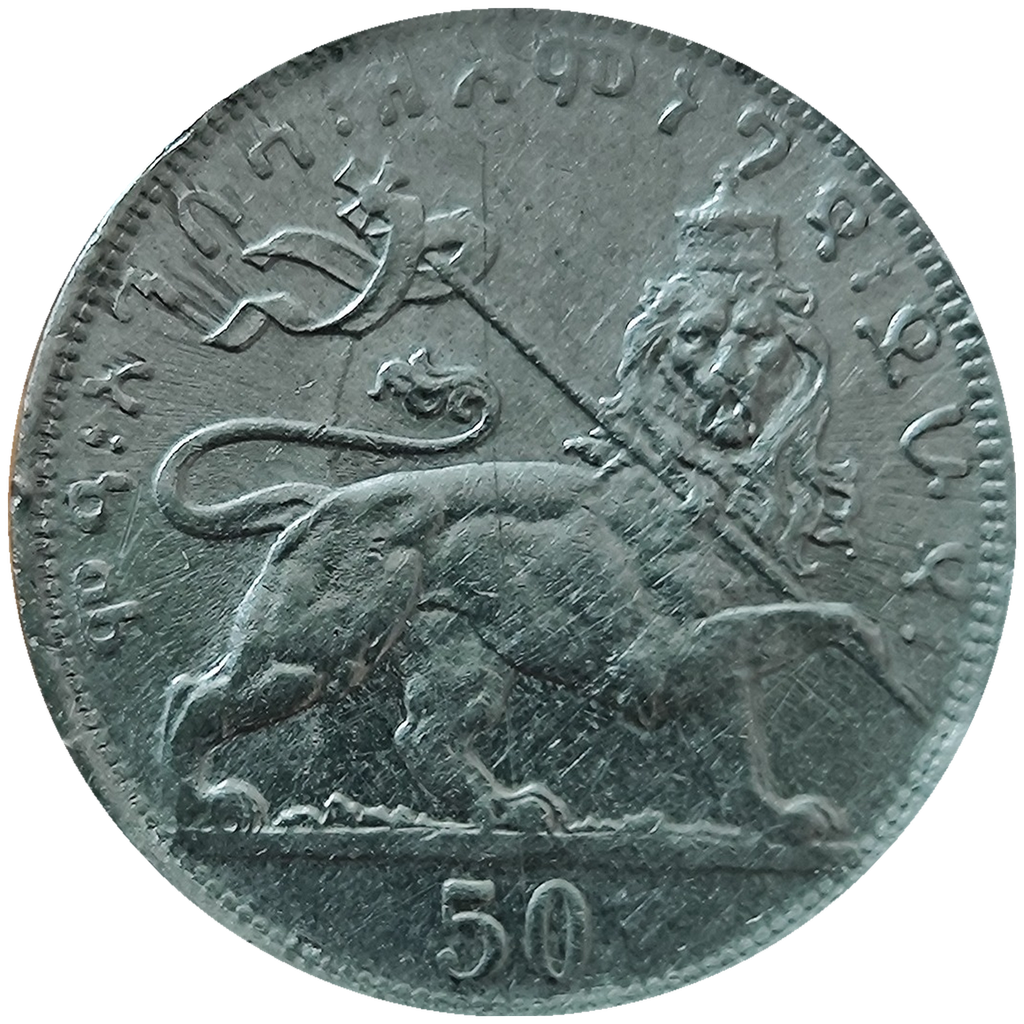
The Lion of Judah recalls the imperial identity of Haile Selassie I and Ethiopia’s place in the founding meeting. It expresses dignity, composure and the continuity of the initiative.
These emblems belong to the distinct identity of the EDIBLE FOREST — Organization of African Unity. They do not reproduce the official emblem of the former OAU and do not indicate any affiliation with the African Union.
Historical reference sources
- United Nations — General Assembly, 1229th plenary meeting, October 4, 1963 (A/PV.1229)
- African Union — History of the OAU and African Union
- African Union — The Pan-Africanist movement and formation of the OAU
The sources establish the dates, actors, speeches and institutional succession. Continuity through conscientization is the Organization’s own position.
A historical continuity distinct from the genesis of EDIBLE FOREST
The OAU of 1963 is not the source of EDIBLE FOREST. EDIBLE FOREST proceeds from its own genesis: a proposal to enrich territories nutritionally and gustatorily through natural seeds, then EDIBLE FOREST SEEDS, then the necessity of African unity.
The EDIBLE FOREST — Organization of African Unity organizes EDIBLE FOREST's African ambition. The continuity claimed with 1963 concerns the demand for unity and transformation, not the origin of the nourishing project.
To bring the Organization of African Unity back to light is to renew the demand for unity where it engages the transformation of the human being.